
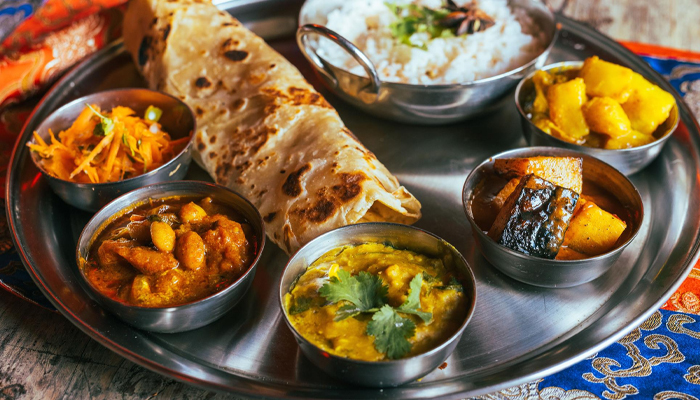
If you walk into a kitchen where authentic Indian food in Cary, NC is being prepared, the first thing you notice is not movement. It is waiting. Not inactivity. Not delay. Just patience. Something sits in the pan longer than you expect. Nothing is stirred constantly. Nothing is forced forward. The process moves at its own pace. Inside the kitchen at Bharath Cafe, this rhythm still defines how food comes together. Not because it is tradition in a ceremonial sense, but because rushing changes the outcome. It interrupts something that needs time to develop fully.
The First Stage Always Feels Too Slow
Oil heats quietly. Nothing dramatic happens at first. Then spices are added. Mustard seeds crackle briefly. Cumin releases its aroma. Curry leaves hit the surface and react instantly. This moment is short, but it prepares everything that follows. If spices are removed too soon, they stay sharp and incomplete. If given enough time, they soften and spread through the dish naturally. It is not about making them stronger. It is about allowing them to settle.
Onions Do More Than Add Flavor
Onions appear early in almost every Indian dish. Their sharpness fades. They release sweetness that was not obvious before. This process does not happen instantly. It requires steady heat and attention. If rushed, onions remain separate from the dish. They never become part of its foundation. When given time, they disappear into the structure completely. They stop being an ingredient and become part of the whole.
Spice Needs Time to Integrate
Adding spices is not the final step. It is the beginning of transformation.
Over time, heat and moisture allow them to merge. Their edges soften. Their individual intensity fades into balance. They stop competing with each other. Each spice remains separate instead of unified.
Liquids Carry Flavor Slowly
When water, broth, or tomato enters the pan, it does not complete the dish immediately. It begins another stage. Liquid distributes flavor gradually. It moves through ingredients, carrying aroma and warmth evenly. Heat continues shaping the result. The surface moves gently. Nothing dramatic changes from moment to moment. But this is where the dish stabilizes. Flavor stops shifting and begins settling.
Rice Reveals the Importance of Patience Clearly
Biryani demonstrates this more than any other preparation. Rice cannot be forced to absorb flavor. It responds slowly. As steam moves through the pot, each grain adjusts. It absorbs aroma gradually. The flavor stays on the outside. When allowed to finish naturally, each grain carries the full character of the dish.
Time Shapes Flavor Quietly
Time does not add ingredients. It changes them. It softens intensity. It merges layers. It allows structure to form naturally. Without time, the same ingredients produce a different result. One that feels incomplete.
Authentic Flavor Cannot Be Accelerated
There is no shortcut for depth. No faster method that produces the same outcome. Authentic Indian food depends on process more than speed. It depends on allowing ingredients to become something else gradually.
Inside kitchens that respect this process, nothing is rushed. Because time is not delay. It is the ingredient that makes everything else work.