
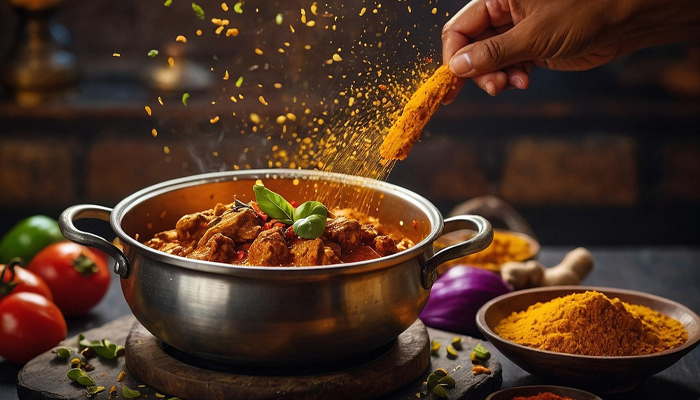
There is a reason certain smells stop people in their tracks. You might be walking past an Indian restaurant in Cary, NC, not even thinking about food, when something in the air changes. Warm spices. Onion softening slowly. Something deeper you cannot immediately name. You pause without meaning to. It feels familiar, even if you cannot explain why. For many guests at Bharath Cafe, that moment happens before they even sit down. The aroma reaches them first. Before the menu. Before the first bite. And somehow, it already feels personal. Because curry, when made the traditional way, carries more than flavor. It carries memory.
The First Lessons Happen Without Words
In many Indian homes, children grow up surrounded by cooking long before they ever step into the kitchen themselves. They hear the sound of oil heating from another room. They smell garlic and ginger before they know what those ingredients are called. They watch someone older move through the kitchen without measuring, without pausing, without needing to check anything. No one announces that a lesson is happening.
But something is being learned. Over time, those smells and sounds become attached to ordinary life. The kitchen becomes part of the background of growing up. Years later, those same smells bring everything back instantly.
Spice Is Not About Heat, It Is About Balance
Many people assume spice means intensity. But in traditional Indian cooking, spice is about balance. Each ingredient plays a role that supports the others. Turmeric brings warmth. Cumin adds depth. Coriander softens sharp edges. Chili adds presence, but not always heat. Mustard seeds release aroma the moment they touch hot oil. None of them exist alone. Removing one changes the entire structure. Adding too much of one shifts everything. This balance does not come from strict measurement. It comes from repetition. From watching. From doing it again and again until the hands remember.
Time Changes Everything
A proper curry cannot be made quickly. Onions need time to soften fully. Garlic needs time to release its aroma. Spices need time in heat to open up. Each step prepares the next one. If rushed, the flavors sit on the surface. They never settle into each other. When given time, something different happens. The flavors stop feeling separate. They become one thing. That depth is what people recognize, even if they cannot explain it.
Recipes Travel through People, Not Paper
Many traditional recipes were never written down. They moved through families by observation. A parent cooking while a child watched. Adjustments made without explanation. Small details learned through repetition instead of instruction. Each generation carried those habits forward. When those dishes appear in an Indian restaurant in Cary, they bring that history with them. Not as something nostalgic, but as something still alive. The food connects places and people who may never meet, but share the same patterns of cooking.
Smell Reaches Memory Faster Than Taste
Before someone tastes a curry, they smell it. That moment matters more than people realize. Smell connects directly to memory. It reaches parts of the brain tied to emotion and recognition. That is why certain aromas can feel meaningful instantly. Someone who grew up eating these dishes might feel something familiar. Someone trying it for the first time might still feel comfort without knowing why. The reaction happens before thinking.