
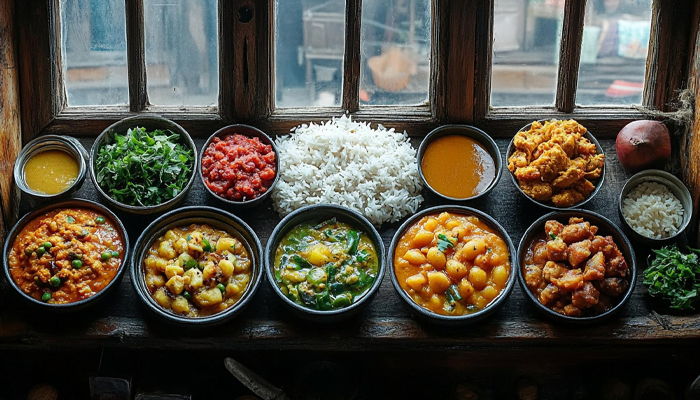
The difference is not always visible. At first glance, a curry served in a restaurant and a curry made in someone’s home may look similar. The color might match. The aroma might feel familiar. The ingredients may even be the same. But something about the experience feels different. Not louder. Not richer. Just steadier. More settled. Less forced. For many guests at Bharath Cafe in Cary, that distinction becomes clear without anyone explaining it. The food does not feel like it was assembled for presentation. It feels like it was prepared with the same care that defines cooking inside Indian homes. Because Indian food did not originate in restaurants. It originated in kitchens where meals were part of everyday life.
Home Cooking Begins Without Urgency
In Indian homes, cooking does not begin with pressure. It begins with familiarity. Someone enters the kitchen knowing what needs to be done, not because they read instructions, but because they have done it many times before. The movements are calm. Oil heats gradually. Ingredients are prepared without haste. There is no need to rush forward. Onions soften slowly. Their smell changes over time. The cook waits until that change feels complete before moving to the next step. This waiting is not hesitation. It understands.
Flavor Develops Through Attention, Not Force
At home, spices are added carefully. Cumin releases its aroma. Turmeric settles into the base. Coriander adds quiet depth. Nothing dominates the dish. Everything supports it. This balance happens because the cook is paying attention. They are not trying to accelerate the process. They allow each ingredient to reach its natural point of readiness. Restaurants that preserve this approach create food that feels stable rather than overwhelming.
The Goal Is Consistency, Not Performance
Home cooking exists to nourish people regularly. It is not created to impress guests for a single moment. It is created to be eaten comfortably, repeatedly, without fatigue. This intention shapes how the food is prepared.
Spice levels are balanced. Texture remains approachable. Richness does not overwhelm. The meal supports the person eating it. It does not challenge them unnecessarily. This is why home style Indian food in Cary, NC often feels grounding. It was designed that way.
Time Moves Differently in Home Kitchens
In many Indian homes, cooking unfolds alongside daily life. Someone prepares ingredients while conversations continue nearby. Heat remains steady. Liquids stabilize gradually. Aromatics settle into place. This patience allows the dish to develop naturally. When food is rushed, the structure weakens. Flavors remain separate instead of unified. Given enough time, everything integrates fully. Restaurants that respect this timing produce food that carries the same completeness.
Familiarity Shapes Every Movement
Home cooks do not rely on strict measurement. They rely on repetition.
They know how ingredients behave. They recognize when onions are ready by smell, not by timer. They adjust heat instinctively. This familiarity removes uncertainty. It allows the process to unfold smoothly. Nothing feels mechanical. Everything feels intentional. This familiarity defines authenticity more than any ingredient alone.